Crewing a Yacht from Indonesia to Australia — The Bali-to-Cairns Crossing
How one cyclist found a boat from Bali to Cairns after four months of looking — and what the route across the Timor and Coral seas actually involves.
📍 Bali, Indonesia → Cairns, Australia
Of all the ways to get from south-east Asia into Australia, the cheapest, the slowest and the most ridiculous is on someone else's yacht. The flight from Bali to Darwin or Cairns is two and a half hours and can be had for under a hundred dollars on the right day. The boat is roughly two weeks at sea, demands real work, depends on the wind, and costs nothing at all if you find the right skipper. It is, by a long margin, the better story.
The Indonesia-to-Australia crewing run has been a piece of overland-traveller folklore for decades. Cyclists who have ridden from London, motorcyclists who have come down through Iran and India, backpackers who have spent a year in south-east Asia and refuse on principle to fly the last leg — they all converge on Bali in the second half of the year, lurk around the marinas at Benoa and Serangan, and try to find a boat that will take them on as deck crew across the Timor or Arafura sea to Darwin, or further around the top of Australia to the Coral coast and Cairns.

It works. Most of the time. The first thing to understand is the weather window.
When the trade winds turn
Boats heading south-east from Indonesia are pushing against the south-east trade winds for most of the year. From May through to about October, the winds are dead in your face. From October to about April, the winds reverse — the north-west monsoon — and yachts can run south with the wind on the quarter. The Sail Indonesia rally, an organised flotilla that runs every August from Darwin up to Indonesia, then disperses through the archipelago, brings dozens of yachts into Bali on the wrong tack. Many of those owners then need to get the boat home. October to December is the peak window for crossings.
If you turn up in Bali in May or June and announce that you want to crew to Australia, you will be politely told that you are six months early.
Finding the boat
The best single resource is Find A Crew — a website where boats post crew adverts and crew post profiles, and the two sides can connect for a small fee. The free profiles can describe themselves in enough detail that a determined skipper will find you anyway. After that:
- Bali International Marina at Benoa — walk the docks, ask politely, leave a one-page CV with the dock master. - Royal Bali Yacht Club — small, social, sometimes posts crew opportunities on a noticeboard. - Sail Indonesia and Indonesia Rally websites — both list participating boats and dates. - Yacht Forum threads — the Cruisers Forum and the Noonsite community boards regularly carry "crew wanted, Bali to Darwin" posts in October.
The standard arrangement is that you contribute towards food and fuel (roughly $20–30 a day) and stand watches in rotation. The skipper provides the boat, the safety equipment and the route. You provide a clean shirt, a sleeping bag, sea legs and a willingness to take the 2 a.m.–6 a.m. watch when nobody else wants it.
The crossing itself
Two routes dominate: the short hop from Bali across to Darwin (about 1,000 nautical miles, eight to ten days at sailing pace) and the longer run through the Torres Strait, around Cape York and down to Cairns (closer to 2,000 nm, three weeks). The Darwin run is more common. The Cairns run is for yachts that are continuing down the Queensland coast.
Either way, the days fall into a rhythm. Six hours on watch, six hours off, then six on, then six off. A whole day reduces to two cycles of "bored on deck looking for ships" and two cycles of "trying to sleep in a hot bunk while the boat heels." You eat what comes out of tins. You learn to do everything one-handed, because the other hand is always holding on to something.

The wildlife is the other half of the experience. Most crews report dolphins on the bow within the first day, flying fish raining onto the deck on the second, and a tropical bird sitting on the masthead by the third. If you are lucky and the wind drops at the right moment, you swim. There are sharks. The skipper will explain the etiquette — usually, one person stays in the dinghy with a knife, the others get five minutes in the water, then everyone rotates.
Arriving in Australia
The legal side of arriving in Australia by yacht is more involved than arriving by plane. Australia is strict about biosecurity and customs for vessels. You must:
- Have applied for an Australian visa before you leave Indonesia (you cannot get one on arrival by sea, unlike at airports). - Carry a valid passport with at least six months' validity. - Be prepared for a thorough quarantine inspection on arrival — fresh fruit, meat, plant material, dirty hiking boots and unwashed camping gear will be confiscated and incinerated. Do not try to argue. - Wait on board until you are cleared. The skipper will radio ahead to Darwin Quarantine, Border Force or the relevant Cairns port authority on approach, and you will be told where to anchor and when an officer can come aboard.
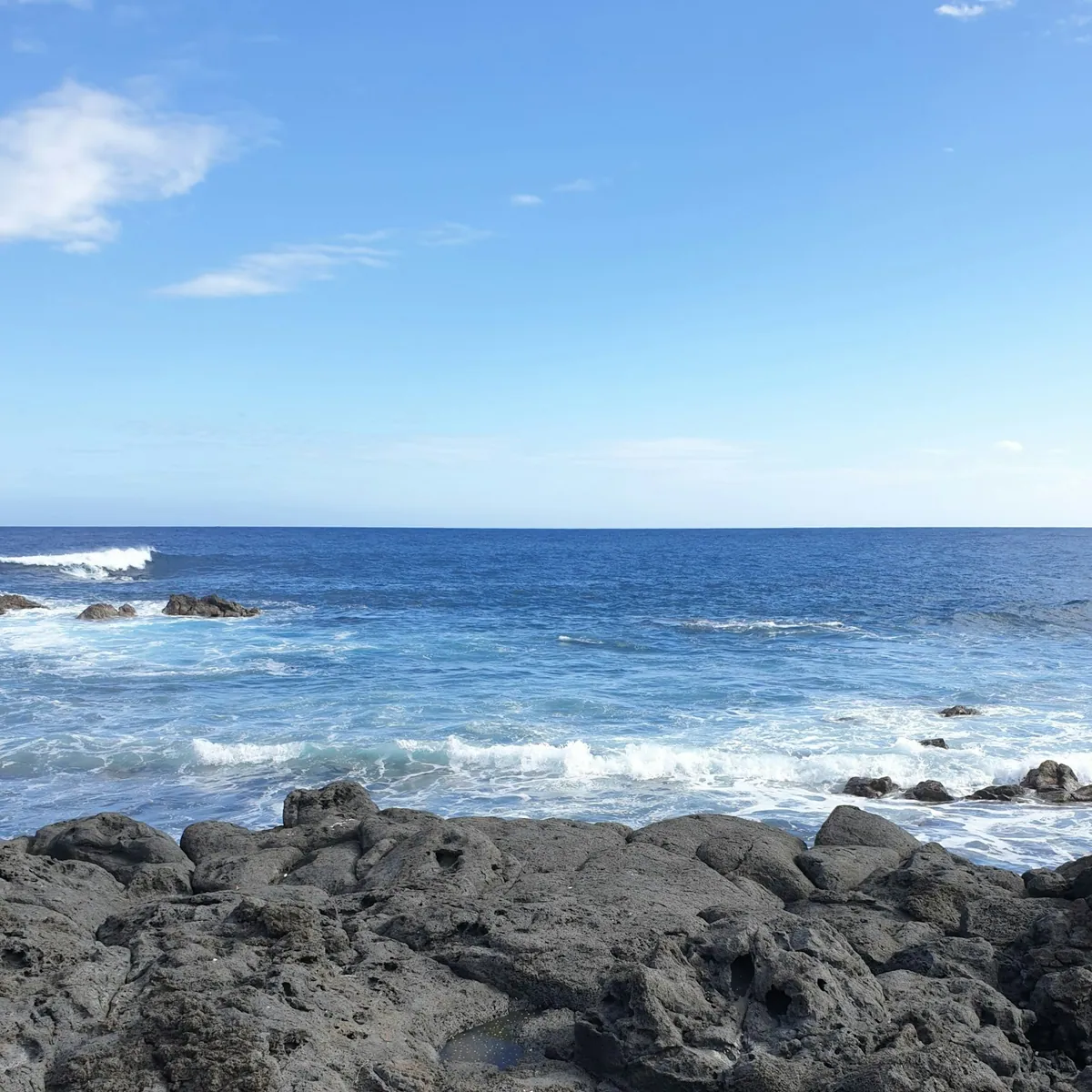
Most crew clear quarantine in a few hours and step ashore the same afternoon. The first thing every crewing diary on the internet then describes is, in roughly the same order: a long shower, a steak and a cold beer, and the strange sensation of walking on a surface that doesn't move.
Was it worth it?
For a fit twenty-something with time, yes — there is no other way to cross the Timor Sea that gives you the same sense of distance covered. The plane swallows the gap in two hours and you arrive in Darwin still half-thinking you're in Bali. The boat takes the gap, breaks it open and shows you what it actually is: a thousand miles of open water, a thin line of horizon, and an Australia that very gradually rises out of it.
If you want to read more about overland travel into Australia, our guide to crossing the Top End has a long section on the Darwin–Broome–Cairns triangle, and our Australia category collects every blog and guide we have ever published on the country.
A note on safety
Two things to know before you sign onto a strange boat:
1. Tell someone where you are going. Email your route, the name of the boat, the skipper's name, and your expected arrival date to a friend at home. If something goes wrong at sea, it will help search and rescue authorities. 2. Don't pay upfront. No legitimate skipper asks for a fee in advance for a regular ocean crossing. Money for food and fuel is paid as you go.
Onward from Darwin
Once your sea legs have evaporated and you've spent a few days remembering how to walk in a straight line, the question becomes: what next? Darwin is the gateway to the Top End — Litchfield National Park, Kakadu, Katherine Gorge, the long drive south to Alice Springs. Plenty of things to do further south waiting in Cairns and the Queensland coast if you crewed all the way. And the Greyhound and Premier coaches run cheap fares right around the country if your sailing budget is gone.
You will, eventually, write your own version of the same diary entry every other crew has written: "We crossed from Indonesia to Australia by boat. It was harder than we thought. We loved it. We would do it again. Especially the steak."
Plan your trip to Australia
For more, see our Australia travel guide and country page, places to visit in Australia on BugBitten, tours and experiences in Australia.
Useful external resources: the Australia country profile on Wikipedia and the Tourism Australia official site.