Provence: Lavender Fields, Luberon Villages and a Slow Week in the South
Seven days in Provence — purple fields at Valensole, hilltop stone villages, and the markets that have run since the 13th century.
📍 Provence, France
Provence is the slow part of France. It is not a city. It is not a single landscape. It is a region in the south-east the size of Belgium, knitted together by stone villages on hilltops, vineyards in the valleys, lavender plateaus on the high plains, and an entire week’s worth of markets that run through the small towns on a different day of the week each, like a careful rotation that nobody officially organises but everyone follows. The Provence in your head is real. The lavender is purple. The villages are golden. The pastis at the cafe at 6 p.m. is genuinely cold, genuinely cheap, and genuinely the best aperitif on Earth.
Seven days is the right length for a first trip. You can do it in five. You will wish you’d done ten.
The setup
Fly into Marseille, Nice, or Avignon. Hire a car at the airport — Provence without a car is a different and lesser holiday. Stay in or near a Luberon village (Bonnieux, Lourmarin, Roussillon, Gordes) for the central five nights, with optional extra nights at either end in Avignon or Aix-en-Provence.
I stayed in a small stone gîte outside Bonnieux. Cost: about €1,200 a week for a two-bedroom house with a pool. This is the standard. Find one a year ahead if you’re going in summer.
Day one and two: arrive, settle, market day
Arrive in the morning. Drive to your gîte. Open windows. Make coffee. Walk into the nearest village for lunch and groceries. Don’t plan anything else.
Day two should be a market day. Provence villages each have a weekly market, and the calendar is published locally and online. Apt on Saturday, L’Isle-sur-la-Sorgue on Sunday, Lourmarin on Friday, Coustellet on Sunday morning. Each market is a slightly different mix of produce, cheese, charcuterie, olives, wine, fresh bread, hand-thrown pottery, lavender bags, and a few inevitably overpriced antique stalls. Bring a basket and small notes.
Buy: a kilo of cherries (in season), a chunk of Banon cheese (the small wax-paper-wrapped goat cheese), three kinds of olive, fresh basil for tonight’s pasta, a baguette, a bottle of local rosé, and a small bag of dried lavender that you’ll find in your suitcase six months later and instantly remember the trip.
Eat lunch at a market stall. Sit on a low wall in the shade. Watch the village. This is the day.
Day three: Valensole at sunrise
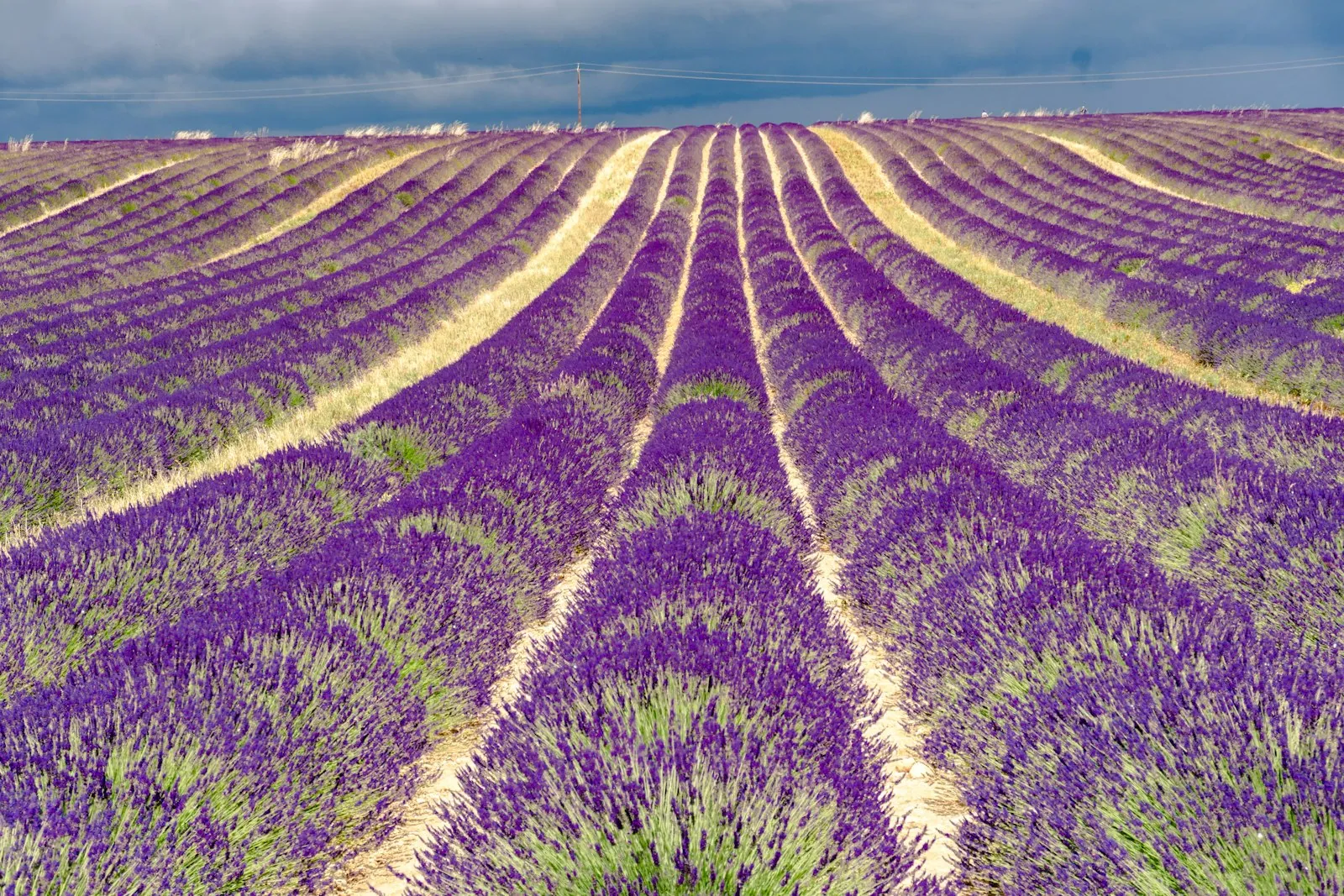
The lavender plateau at Valensole is the postcard. The plateau is a high, flat, treeless expanse south-east of the Luberon, planted in long rows of lavender that stretch to the horizon. It blooms from late June to mid-July, occasionally into the first week of August in cool years; outside that window, you’re looking at green or brown rows of cut stalks, which is fine but not the photograph. Time your trip for the first two weeks of July if you can.
Get to Valensole at 5:45 a.m. for sunrise. The light at sunrise is slanted and golden across the rows; by 9 a.m. it’s flat and the heat is starting. By 11 it’s 30 degrees and the plateau is full of selfie sticks. Park at one of the viewpoints (the Lavandes Angelvin estate has a designated visitor parking lot and a small farm shop), walk along the edges of the rows (don’t step into the rows themselves — bees, also it’s rude), and take your photographs. There are several lone trees in the middle of fields that have become famous Instagram photographs; you’ll know which ones when you see them.
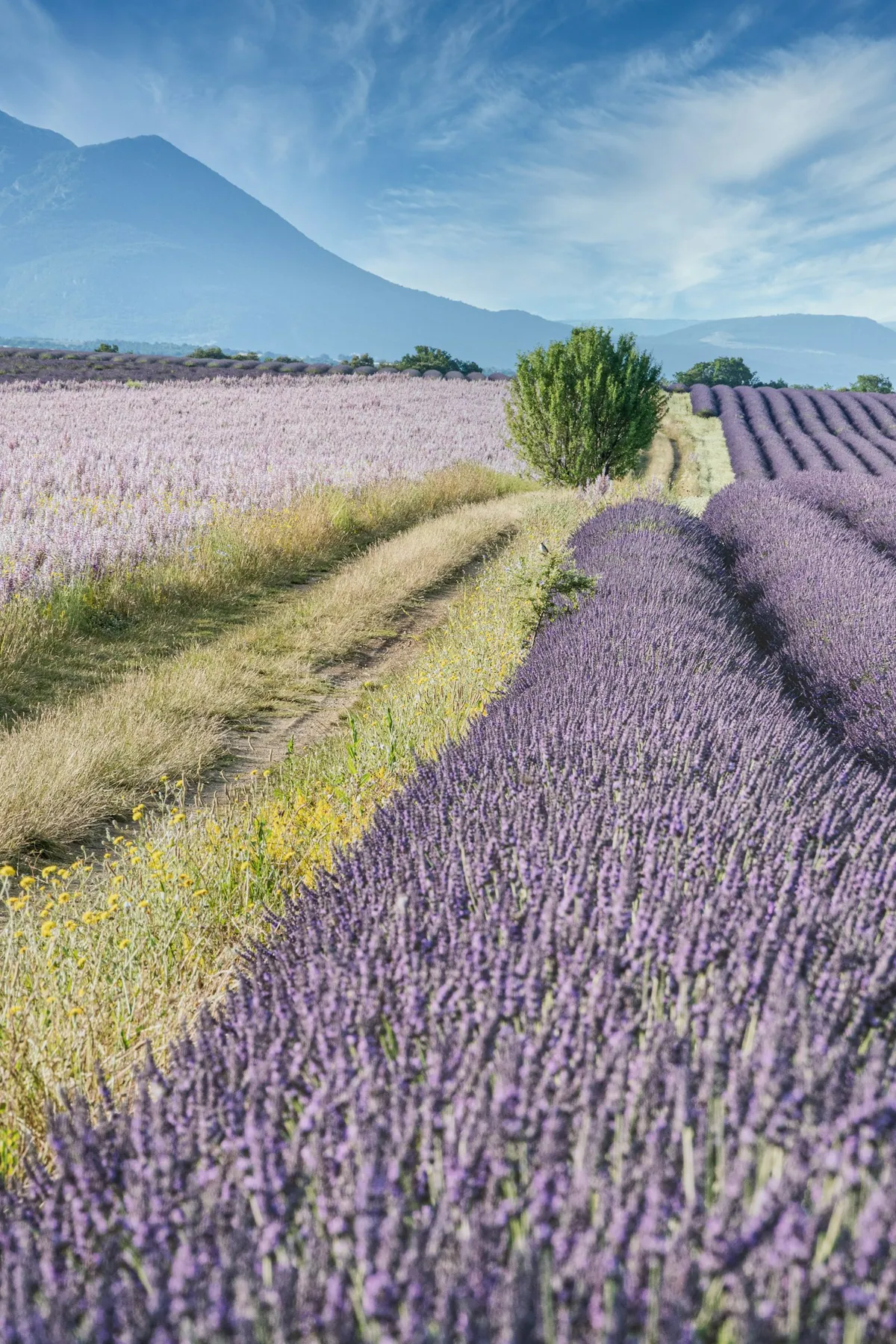
End the morning with breakfast at one of the cafes in the village of Valensole itself. By 10 a.m. you can be back in your gîte, fully showered, with the rest of the day for the pool and a long lunch.
Day four: the Luberon village circuit
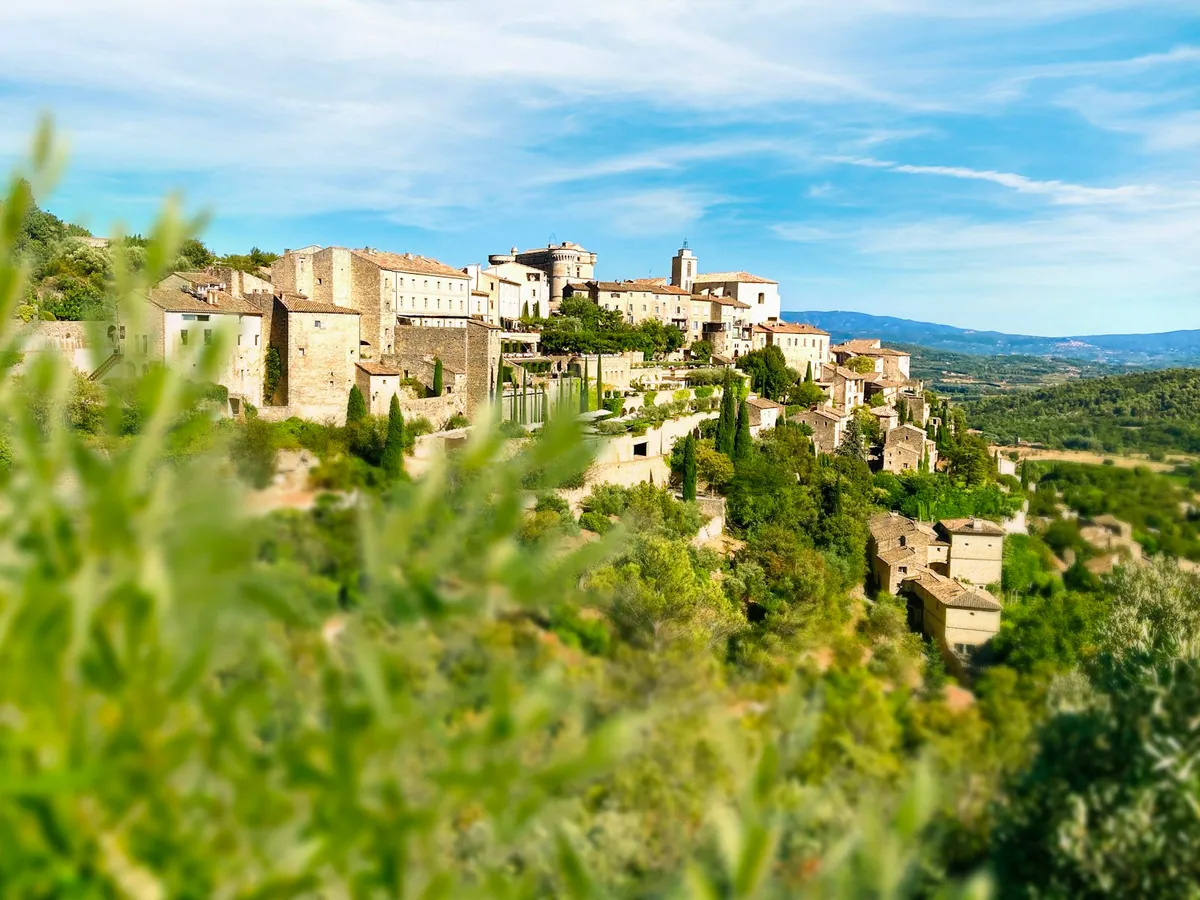
The villages of the Luberon — Gordes, Roussillon, Bonnieux, Lacoste, Ménerbes, Oppède-le-Vieux, Lourmarin — are the other Provence postcard. Each is small, each is built of pale honey stone, each is perched on a hilltop with a single road winding up to it, and each has a small handful of restaurants, a church, a market square, and a view that goes to the horizon.
A circuit of five of them in one day is doable but exhausting. Pick three. My picks: Gordes (the most spectacular silhouette, the “grey village,” climb to the top for the church and the panorama back down), Roussillon (the famous “red village,” built on ochre cliffs, with a short ochre-trail walk through the old quarry), and Lourmarin (the gentlest, the friendliest, the one with the best food and the Albert Camus connection — he’s buried in the village cemetery).
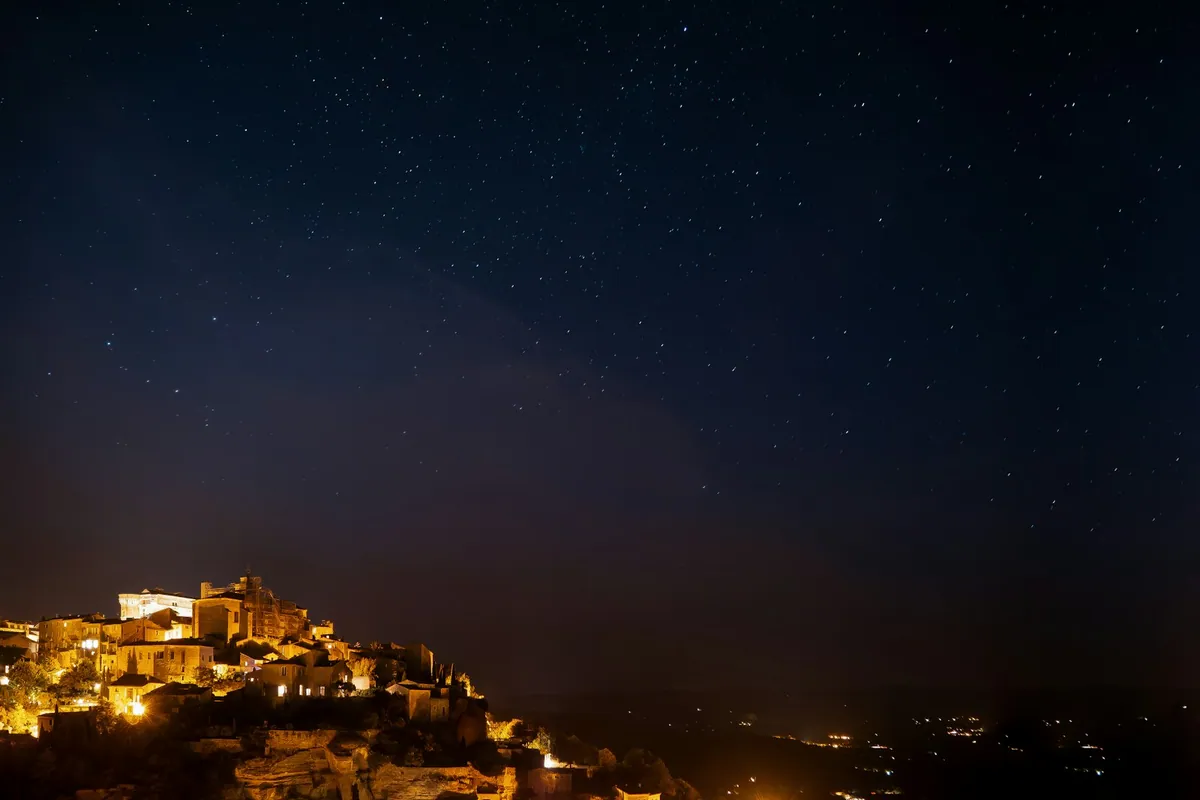
Have lunch at one of the village restaurants — Le Bouquet de Basilic in Lourmarin, or Le Carillon in Gordes, or any of the small bistros in the side streets. Go slow. This is the day Provence asks of you.
Day five: the Pont du Gard and Avignon
Drive an hour west to the Pont du Gard, the 1st-century Roman aqueduct bridge that has been standing — and is still standing — across the Gardon river since around 50 AD. It is enormous (49 metres tall, three tiers of arches), it is in immaculate condition for its age, and the visitor centre, the museum, and the path that takes you under and over it are all well-set-up. Bring a swimsuit; you can swim in the river under the bridge.
In the afternoon, push on to Avignon for a few hours. The Palais des Papes — the medieval papal palace from the period (1309–1377) when the popes lived in Avignon instead of Rome — is an enormous Gothic complex on the high ground above the river. The famous Pont d’Avignon, the one in the song, is a half-broken bridge in the middle of the Rhône. Walk the ramparts. Eat dinner at one of the cafes on Place de l’Horloge.
Day six: a vineyard, a long lunch, and a swim
Provence is rosé country — the AOC areas of Provence (Côtes de Provence, Bandol) produce more than half of France’s rosé, and the wine here is genuinely lovely, light, dry, often a pale onion-skin pink. Several of the bigger estates run cellar-door tastings — Château La Coste outside Aix is a famous one (also a contemporary art park), Château Saint-Roseline near Les Arcs is another. Pick one. Spend a morning. Buy a case.
Have lunch at the estate or at a nearby village. Go back to the gîte for an afternoon by the pool. Eat dinner of leftovers from the market on the terrace as the sun sets.
Day seven: the slow drive back
On the way to the airport, drive a different route than you came. Stop at one more village you haven’t been to. Buy one more chunk of cheese for the plane. Try not to cry at the lavender on the verges of the autoroute. Plan the return.
How nice are people in Provence?
Slow-warm. The Provençaux take their time and they will not be rushed. Once you’ve lowered your pace to match, they are generous and patient. Within a week I had: a market stallholder press an extra peach into my bag because “the small ones are sweeter, take it for your son”; a gîte owner show up with a bottle of homemade limoncello on day three “because we always do this for guests”; and a baker remember my order on day four. Provence works on relationships. Show up. Slow down. Smile.
If you go
• Hire a car. Public transport between villages is limited. • Book accommodation a year ahead for July. Six months for May/June or September. • Time the trip for the lavender if that’s the photograph you want. First two weeks of July is the safe window. • Eat the markets. The supermarket is for milk, butter, and your morning cereal — everything else is the markets. • Bring a hat. The summer sun in Provence is not negotiable.
Provence is the bit of France that the rest of France comes to on holiday. Seven days here will reset whatever you thought a holiday was. You leave smelling faintly of lavender and slightly tipsy on rosé, and you start drafting the next trip on the autoroute home.