Bangkok City Guide — Temples, Rivers and the Old City
A first-timer's guide to Bangkok: where to stay, the temples that matter, the river ferry, the markets and the long evenings on Sukhumvit.
📍 Bangkok, Thailand
Bangkok is one of the great surprise cities in the world. Travellers who arrive expecting a chaotic, hot, slightly intimidating Asian capital — which it is, on a first impression — almost always leave a week later having decided that it is also one of the most rewarding cities they have ever visited. The temples are extraordinary. The river is the spine of an entire way of life. The food is, by any honest measure, the best street food on the planet. And the city itself rewards walking, slow afternoons, evenings on rooftops, and the kind of low-key urban exploration that Asia's other big capitals — Delhi, Manila, Jakarta — make hard.
This is the practical guide for a first visit. Three to seven days, what to do in what order, where to stay, and the small things that make the difference between a confused first encounter with Bangkok and falling for the city.
How long to stay
The honest answer: longer than you have planned. Three days is the minimum to see the headline sights without feeling rushed. Five days is the sweet spot for a first visit — temples, river, markets, two day-trips, two long evenings. A week lets you start to understand a neighbourhood. Anything less than three days and you will leave thinking Bangkok is a transit hub, which would be doing the city a serious injustice.
Where to stay
Two main options for first-timers, and they give very different experiences.
Banglamphu / Phra Athit / Khao San is the old-Bangkok, river-end of the city, ten minutes' walk from the Grand Palace and Wat Pho, surrounded by hundreds of guesthouses and small hotels at every budget. Khao San Road itself is a tourist circus and you should avoid sleeping right on it, but the side streets — Soi Rambuttri, Soi 2 off Khao San, Phra Athit Road — are full of charming small hotels, leafy lanes, and excellent street food. Stay here if it's your first visit and you want everything within walking distance.
Sukhumvit is the modern, Skytrain-connected commercial spine of the new city. From around BTS Asok / Phrom Phong / Thong Lo, you have easy access to malls, condos, business hotels, the ratchet of restaurants and rooftop bars, and the BTS itself. Stay here for comfort, convenience and connectivity. The trade-off is that everything iconic is twenty minutes' taxi ride away.
A third option, increasingly popular with returning visitors: the Charoen Krung / Bang Rak district along the river. Old Sino-Portuguese shophouses, hipster cafés, the new Iconsiam mall a ferry hop away, and easy access to both the river and Silom by Skytrain.
A three-day itinerary
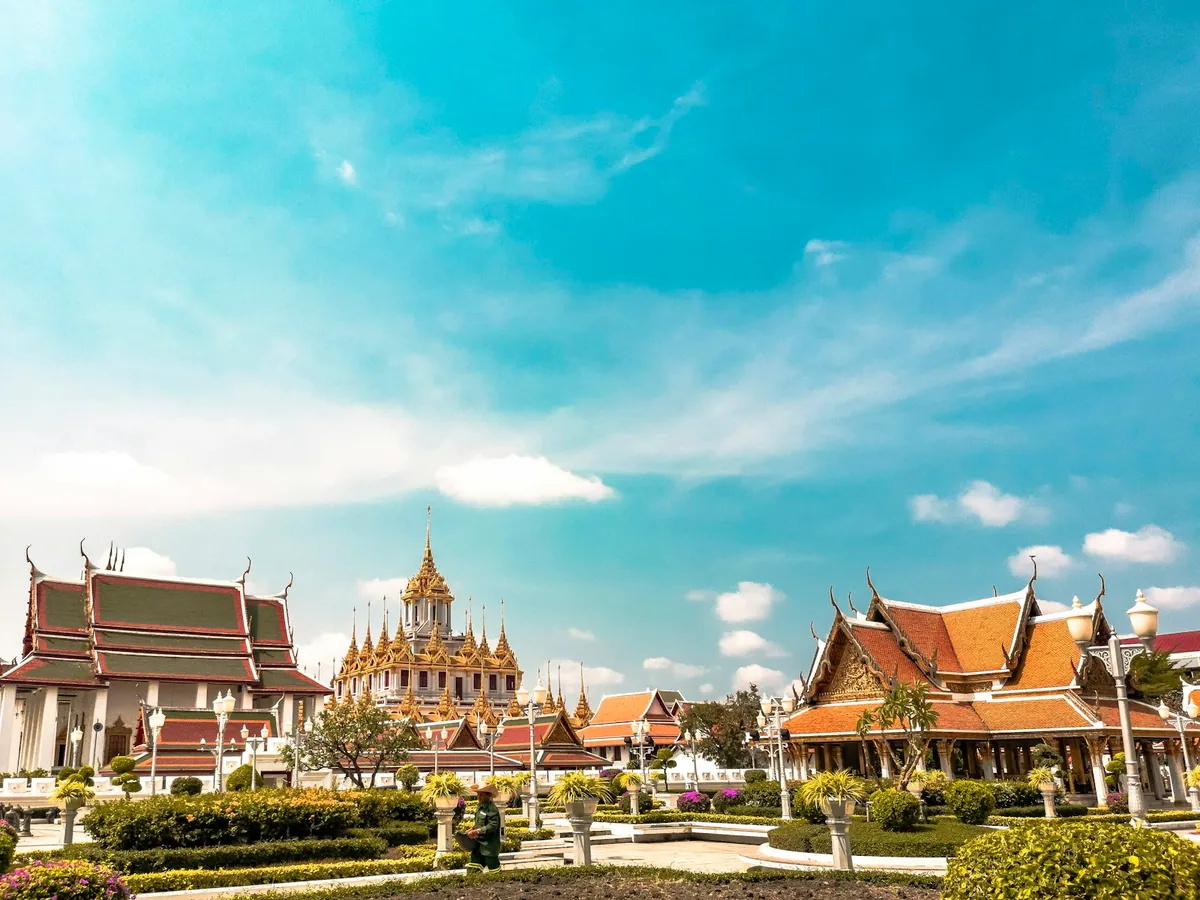
Day 1 — The temples and the old city. Start at Wat Pho when the gates open at 8 a.m. The reclining Buddha is worth the early start before the tour groups arrive. Stay on for a 90-minute traditional Thai massage at the Wat Pho massage school (it is the school that teaches Thai massage to the rest of the country — non-negotiable). Walk five minutes north to the Grand Palace. Allow two hours. Cross the river by Tha Tien express ferry to Wat Arun in the afternoon, climb the central spire, watch the river boats. Dinner at one of the river-front restaurants on Phra Athit Road.
Day 2 — Markets and the river. Take an early Chao Phraya Express boat north to Tha Phra Athit, then a taxi to Chatuchak Weekend Market. Spend the morning wandering, eat lunch at one of the food stalls in section 26 or at Or Tor Kor across the road. Afternoon: take the BTS to Saphan Taksin and the river boat north again to one of the smaller temples — Wat Suthat for the giant red swing, or Wat Saket for the climb up the Golden Mount. Dinner at Thip Samai for the famous pad thai.
Day 3 — A day trip. Either the floating market at Khlong Lat Mayom (small, local, weekends), or the longer trip to Ayutthaya by train (the old Thai capital, 90 minutes north, full of ruined temples), or — if you have a flexible group — a half-day cooking class at Chef LeeZ or one of the family-run schools.
The river
The Chao Phraya river is Bangkok's spine and the local boats are an attraction in their own right. Four colours of flag run different routes:
- Orange flag — the standard local commuter line, all the major piers, 16 baht for any stop. The boat to take if you want a cheap city tour. - Blue flag — the tourist line, more expensive but with English commentary, hop-on-hop-off pass. Useful on a first visit if you want orientation. - Yellow flag — express, weekday rush hours only. - No flag — local-only stops, lowest fare, slowest boat.
Spend at least one half-day riding boats. The river view of the city's history — from Rattanakosin (the old royal island) up to Nonthaburi (where you genuinely leave the city) — is the geography lesson nothing else gives you.
Eating in Bangkok
Three things you should know about Thai food in Bangkok:
1. Street food is the real cuisine. A plastic stool, a hot wok, an old woman cooking pad krapao moo for the office workers across the road — that is Thailand's national food culture. Sit-down restaurants in malls are mostly the watered-down version. 2. Be flexible about heat. "Mai pet" means "not spicy". "Pet nit noi" means "a little spicy". "Pet mak mak" means "very spicy". Pace yourself, especially on day one. 3. Drink fresh fruit shakes. Mango, watermelon, pineapple — sold from carts everywhere for 50 baht, blended in front of you, hugely refreshing in the afternoon heat.
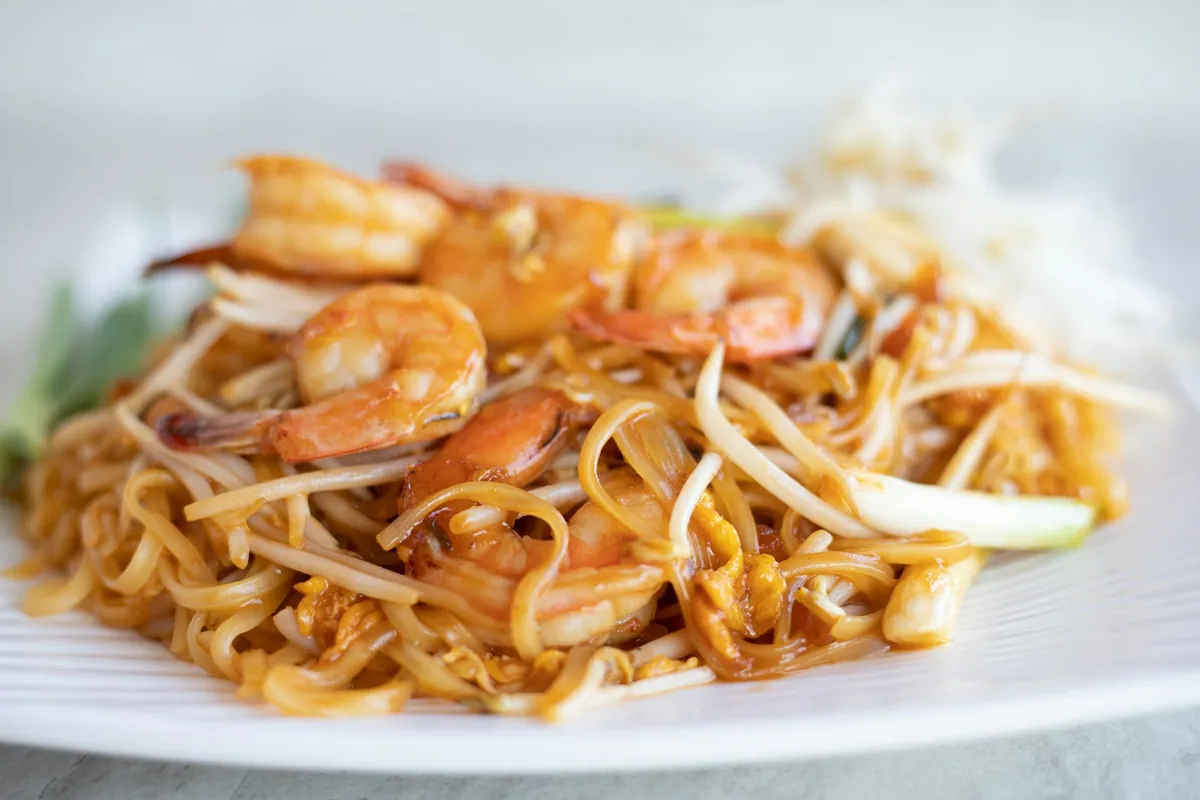
Specific dishes worth seeking out:
- Khao moo daeng — red roast pork with rice and crackling. - Pad see ew — wide rice noodles with broccoli and dark soy. - Tom yum goong — sour-and-spicy prawn soup. - Khao soi — coconut curry noodle soup, originally northern, now everywhere. - Mango with sticky rice — the dessert; coconut sugar, ripe mango, glutinous rice.
Markets
Beyond Chatuchak, Bangkok rewards market crawling. Pak Khlong Talat (the flower market) at 3 a.m., the night market at Talad Rot Fai Ratchada (vintage clothes, food, beer in a fairground atmosphere), and the Saphan Phut night market under the river bridge — all worth an evening.
Getting around
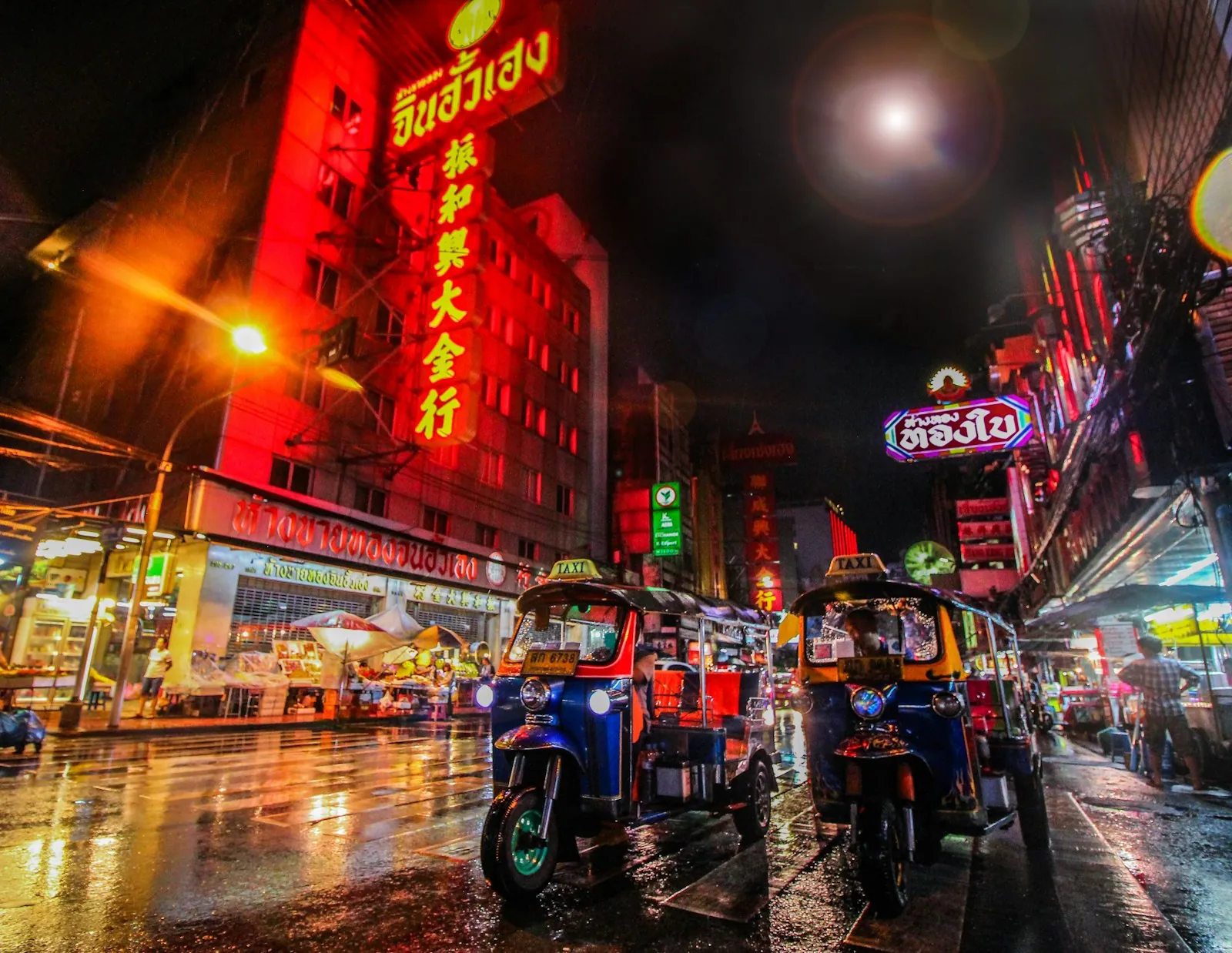
The BTS Skytrain and MRT subway combine to cover most of the city. Buy a Rabbit Card. Use Grab or metered taxi for the bits the trains miss. Avoid tuk-tuks for transport — they are tourist novelties now, slower and more expensive than a metered taxi. The river ferry is faster than any ground transport for north-south journeys along the Chao Phraya.
Day trips
If you have more than three days:
- Ayutthaya (90 min by train) — the ruined former capital, half a day among the brick stupas. - Kanchanaburi (2.5 hours) — the bridge over the River Kwai, the Death Railway, Erawan Falls. - Damnoen Saduak floating market (1.5 hours) — touristy but visually iconic. Get there by 7 a.m. or skip. - Amphawa floating market (2 hours) — the better, less-touristed alternative, weekend evenings only.
For more on Bangkok and the rest of Thailand, browse our Bangkok category, or our broader Asia stories for travel writing on Chiang Mai, the islands and the wider region. The official Tourism Authority of Thailand site is the reliable place to check festival dates and event calendars, and our Bangkok travel recommendations collects community advice on the best small things to do.
Bangkok rewards everyone who shows up willing to walk a side street, eat at a plastic stool and ride the river at dusk. Three days for the headlines, a week if you want to start understanding the city. Either way, you will book a return.
Plan your trip to Thailand
For more, see our Thailand travel guide and country page, places to visit in Thailand on BugBitten, tours and experiences in Thailand.
Useful external resources: the Thailand country profile on Wikipedia and the Tourism Authority of Thailand.